
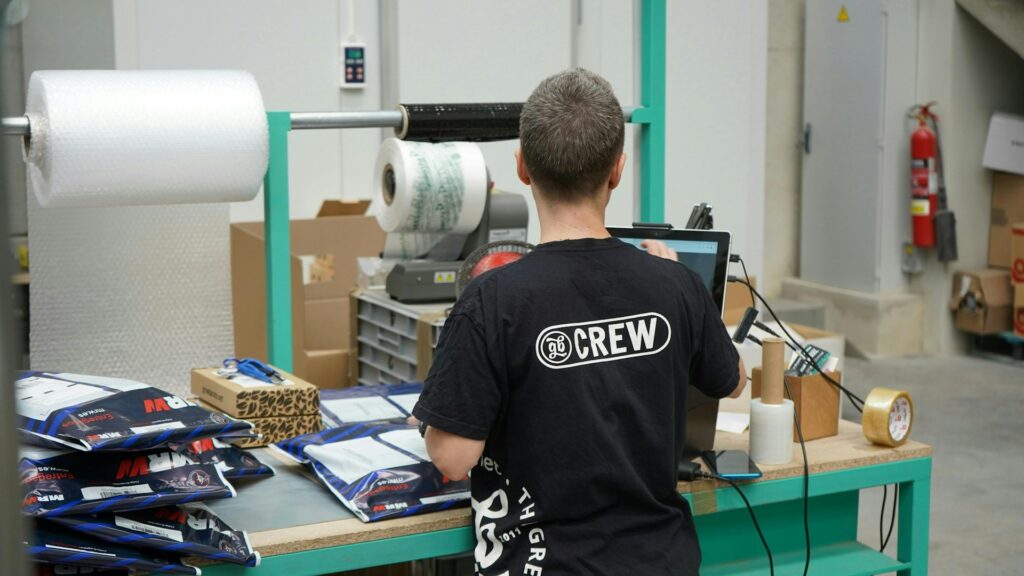
Managing a modern production floor requires constant attention to detail, timing, and resource allocation.
When different machines operate in isolation, facility managers often face hidden delays and rising maintenance costs. Small misalignments between a filling machine and a case packer can cascade into hours of lost productivity over a single week.
Fixing these frustrating gaps requires a fundamental shift in how factories structure their floors. Instead of buying standalone machines to solve isolated problems, forward-thinking operators are looking at the bigger picture. They are connecting every stage of the product journey through smart, unified technology.
This post explains the mechanics and benefits of combining your equipment into a single, cohesive ecosystem. You will learn how connecting your hardware improves output, reduces material waste, and helps your team maintain strict quality control standards.
1. The Real Cost of Disconnected Production Lines
Many facilities grow organically, adding new equipment piece by piece as demand increases. While this approach solves immediate capacity issues, it often creates a fragmented floor layout.
Identifying Hidden Bottlenecks
When machines do not share a common communication protocol, operators must manually bridge the gap. You might notice products piling up at the end of a high-speed conveyor because the legacy cartoner cannot keep pace.
These physical bottlenecks force workers to intervene, moving items by hand or frequently pausing the faster machines. Every manual intervention introduces the risk of product damage and slows down the entire shift.
The Impact on Your Bottom Line
Disconnected machines also drain financial resources in less obvious ways. Maintenance teams must learn how to service dozens of different software interfaces and hardware setups.
Stocking spare parts for a mismatched fleet ties up valuable capital. Furthermore, inconsistent machine speeds lead to higher energy consumption, as equipment frequently powers up and down instead of running at a steady, optimized rate.
2. What Are Integrated Packaging Systems?
Integrated packaging systems remove these operational silos. They connect individual pieces of machinery into a continuous, intelligent loop where every component communicates with the rest of the line.
Connecting the Dots in Automation
Instead of relying on human operators to monitor the flow of goods from one station to the next, central software manages the pacing.
If a palletiser experiences a minor jam, the upstream cartoners and fillers automatically adjust their speed to prevent a pile-up. This constant communication ensures a smooth, uninterrupted flow of materials from raw input to ready-to-ship pallets.
Core Components of a Seamless Line
A fully connected setup relies on a few standard elements to function effectively:
- Centralized control panels: A single interface where operators can monitor the entire line.
- Sensors and vision systems: Cameras and weight checkers that automatically reject defective items without stopping the belt.
- Smart conveyors: Transport systems that adjust their speed based on real-time data from the machines they feed.
3. Key Benefits of End-to-End Packaging Automation
Upgrading to a unified network completely transforms how your facility operates. When you integrate packaging automation, the operational benefits extend far beyond simply moving boxes faster.
Maximizing Manufacturing Efficiency
When machines talk to each other, overall manufacturing efficiency skyrockets. You eliminate the micro-stops that plague disjointed lines.
Because the system self-regulates, your equipment operates closer to its maximum intended capacity. Operators spend less time troubleshooting jams and more time focusing on quality assurance and preventative maintenance.
Reducing Waste and Downtime
Material waste drops significantly when precision hardware handles your goods. Smart systems detect alignment issues before they result in crushed cartons or spilled product.
Additionally, modern sensors predict when a part is wearing out, alerting your maintenance crew before a catastrophic breakdown occurs. This predictive approach turns unexpected, costly downtime into scheduled, manageable maintenance.
4. Essential Machinery for a Complete Automation Ecosystem
Building a cohesive line requires selecting equipment designed to work in harmony. While specific needs vary by industry, most consumer goods and pharmaceutical lines rely on a core set of machines.
Cartoning and Tray Forming
The journey often begins with forming the primary container. High-speed cartoners and tray formers take flat cardboard blanks and assemble them with absolute precision.
Modern forming equipment can switch between different box sizes with minimal changeover time, allowing facilities to run multiple product lines on the same shift.
Case Packing and Palletising
Once individual products are secure in their primary cartons, they move to the end-of-line stations. Case packers group the cartons and seal them into larger shipping boxes. From there, robotic palletising systems stack the heavy cases onto wooden or plastic pallets.
These automated arms handle heavy lifting effortlessly, protecting human workers from strain injuries and preparing the goods for immediate dispatch.
5. How to Transition to Integrated Systems
Transitioning from a fragmented setup to fully integrated systems takes careful planning. Rushing the installation process risks severely disrupting your current production.
Assessing Your Current Capabilities
Start by auditing your existing hardware. Identify which machines still have a long lifespan and feature the necessary software to connect to a broader network.
Document your most frequent points of failure and calculate how much time your team spends manually moving goods between stations. This audit will reveal exactly where an upgraded system will deliver the highest return on investment.
Phased Implementation vs. Complete Overhaul
For many businesses, replacing every machine at once is financially impractical. A phased approach allows you to upgrade the most critical bottlenecks first.
You might install a new robotic palletiser this quarter, and upgrade your cartoning machines the next. As long as you purchase equipment built on open communication standards, you can gradually connect these new pieces into a unified network over time.
6. Partnering with the Right Automation Experts
The success of your upgrade depends heavily on the vendor you choose. You need a partner who understands the complexities of your specific industry.
The Role of Global Whole Line Integration
A vendor that offers whole-line integration takes responsibility for making sure every piece of equipment plays nicely together.
They do not just drop off a machine and leave; they configure the software, train your staff, and fine-tune the sensors until the entire line runs flawlessly. This comprehensive support is vital for businesses in highly regulated sectors like food and pharmaceuticals.
Choosing a Future-Focused Partner
When selecting a technology provider, look for a company with a proven track record of building robust, scalable solutions. For example, MPAC Group specializes in designing and building custom automation ecosystems.
They provide bespoke product assembly, cartoning, and palletising systems tailored to the unique demands of health, consumer goods, and beverage sectors. Choosing a partner with global reach ensures you have access to expert maintenance and support, keeping your lines running year after year.
Elevate Your Production Line Today
Relying on isolated machinery limits your growth potential and frustrates your workforce. By investing in smart, connected hardware, you take control of your production flow, reduce material waste, and protect your team from unnecessary manual labor.
Start by auditing your most problematic bottlenecks and researching equipment that supports network integration. With a clear plan and a reliable engineering partner, you can transform your facility into a highly efficient, future-proof operation.
Last modified: April 4, 2026